Product Description
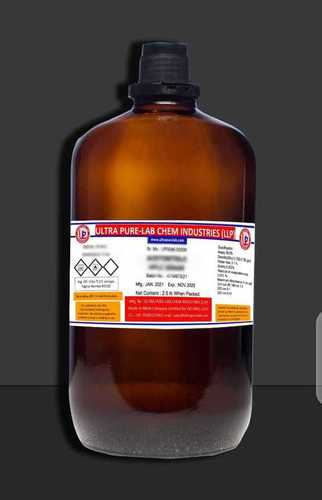
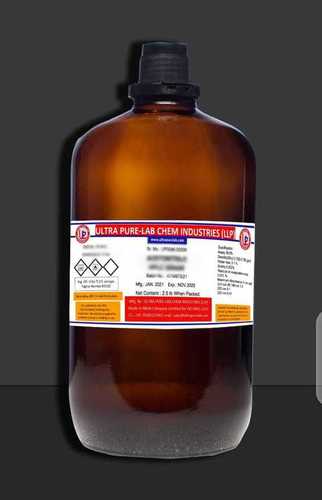
The supplied Acetone (For Synthesis) is a chemical used to make products like nail polish remover and paint remover. Acetone is an organic solvent that was historically produced by fermentation until cheap chemical synthesis methods were introduce. It is a volatile organic compound (VOC) that is considered to have low toxicity, though improper use of it can cause serious problems. It is used for thinning polyester resin, cleaning tools used with it. The Acetone (For Synthesis) is made for commercial uses.
Assay : Min. 98% (CH3)2CO M.W. 58.08
Safety and Handling PrecautionsAcetone is classified as a highly flammable liquid (UN1090, Class 3). When dealing with acetone in laboratory environments, ensure you store it in tightly sealed containers in cool, well-ventilated areas. Always keep acetone away from heat, sparks, and open flames and use appropriate personal protective equipment to minimize eye irritation risks.
Applications in Synthesis and Laboratory UseAcetone's miscibility with water and organic solvents, combined with its neutral pH and rapid evaporation, makes it ideal for laboratory synthesis, cleaning, and reagent preparation. Its high purity ensures reliable results in experiments and chemical processes, suitable for educational and research environments such as school labs.
Product Availability and PackagingThis acetone is offered in both plastic and glass bottles, in standard sizes of 500 ml and 1 litre. With a shelf life of 24 months, it caters to various needs, from academic labs to industrial supply, and is distributed by exporters, manufacturers, and suppliers across India.
FAQ's of Acetone (For Synthesis):
Q: How should acetone (for synthesis) be stored safely in the laboratory?
A: Acetone should be stored in a tightly closed container in a cool, dry, and well-ventilated area, away from sources of heat, sparks, and open flames, as it is highly flammable. Always ensure the storage area meets recommended safety standards and that containers are clearly labeled.
Q: What is the primary use of acetone in school labs and synthesis applications?
A: Acetone is mainly used as a solvent for cleaning laboratory equipment, dissolving substances, and participating in various chemical syntheses due to its miscibility with water, alcohol, and ether. Its high purity supports accurate and reproducible results in educational and research experiments.
Q: When does acetone pose a health hazard during laboratory use?
A: Acetone poses health risks when it contacts the eyes, causing serious irritation, or when inhaled or exposed to open flames due to its high flammability. Proper personal protective equipment and safety protocols should be followed during handling.
Q: Where can this acetone be sourced and what packaging sizes are available?
A: Acetone for synthesis is available from exporters, manufacturers, suppliers, traders, and wholesalers throughout India. It is typically packaged in plastic or glass bottles with standard sizes of 500 ml and 1 litre.
Q: What makes acetone (LR grade) a beneficial choice for laboratory synthesis?
A: Its high purity (98%), neutral pH, and stable physical properties ensure consistent performance in synthesis and reagent preparation. The miscibility with various solvents and rapid evaporation also make it valuable for laboratory cleaning and reaction processes.
Q: How does acetone's physical and chemical properties contribute to its laboratory applications?
A: Acetone's clear, colorless appearance, low boiling point (56C), and miscibility enable efficient mixing, extraction, and fast drying during experiments. It is stable under proper storage, ensuring longevity and reliability within its shelf life of 24 months.









 Send Inquiry